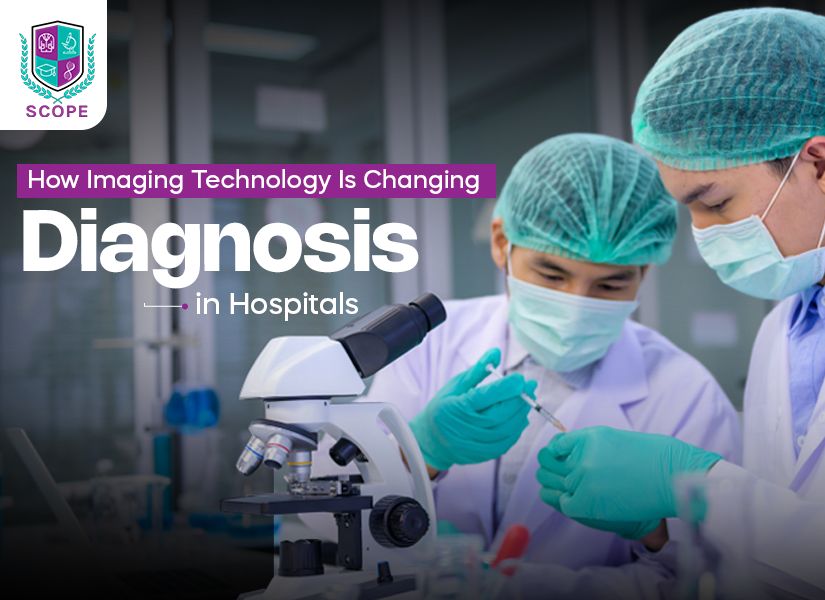
Diagnosis is among the most vital elements of medical treatment. Today, hospitals primarily rely on imaging technologies such as X-ray, MRI, and other systems to detect diseases, plan treatments, and monitor patient progress. In this respect, imaging technologies are changing how hospitals conduct diagnoses. In this blog, we’ll dive deep into how medical imaging technology is reshaping hospital diagnosis.
What is Medical Imaging Technology?
It is any technique used to visualize the inside of the human body. The visual representations are further used to diagnose the current condition and to track whether the proposed treatment is working. The major imaging technologies include:
- X-ray: Bones, chest & basic imaging
- CT (Computed Tomography) Scan: Detailed views
- MRI (Magnetic Resonance Imaging): Soft tissue
- Ultrasound: Real-time sound waves
- PET (Positron Emission Tomography) Scan: Cancer & neurological conditions
- Fluoroscopy: Live X-ray imaging
How Imaging Technology Has Evolved in Hospitals
Traditional film-based systems are a relic of the past. Currently, medical treatments utilize advanced technological advancements:
- Digital imaging
- PACS (Picture Archiving and Communication Systems)
- AI-assisted image analysis
- 3D & 4D imaging
- Portable imaging devices
- Faster processing speeds
Impact of Imaging Technology on Diagnosis & Treatment
Early Disease Detection
It is saddening how patients might go a long time without awareness of having a disease. Imaging technology helps solve this issue by detecting diseases early, so treatment can follow and they can be eradicated before they become severe. It could be helpful in life-threatening diseases like cancer, tuberculosis, heart disease, and internal injuries.
Accurate Diagnosis
Imaging technologies aren’t about hit-and-trial guesses about the disease. It is based on well-researched scientific principles that produce high-resolution images, providing a clear overview of the body part(s) being analyzed. It enables doctors to pinpoint the exact locations, sizes, and stages of the disease. Misdiagnosis has reduced because of this tech.
Image-Guided Procedures
Think of images like the visual guide for fixing a machine. Without the exact photos, one wouldn’t be able to fix the machine in question. Basically, that machine is the human body. And some procedures, such as biopsies, angiography, and catheter placements, require real-time imaging to ensure precision and safety.
Emergency & Trauma Care
Emergency cases like accidental injuries can often lead to internal injuries that are difficult to diagnose with the naked eye. X-rays and CT scans can provide doctors with unmatched insights into a patient’s body and injuries. It is why an X ray technician course generally includes care for emergency and trauma cases.
Treatment Planning & Monitoring
Imaging can also act as a performance tracker for diseases. If an internal wound was wide open when treatment was initiated, the doctor can check after some time whether the treatment is making any improvements. In any case, the therapy plans can be adjusted accordingly for better outcomes.
Impact of Imaging Technology on Medical Careers
The growth of advanced imaging technology has created multiple job opportunities for students interested in healthcare. The burden on hospitals is rising, and changing lifestyles have heightened the need for diagnostic professionals. It’s the same reason why short-term paramedical programs like radiology technician course are in high demand. Here are the popular job roles enthusiasts can pursue:
- Radiology Technician
- X-Ray Technician
- CT Scan Technician
- MRI Technician
- Ultrasound Technician (Sonographer)
- Imaging Equipment Specialist
These careers are open in the following work environments:
- Government hospitals
- Private multi-specialty hospitals
- Diagnostic imaging centers
- Trauma and emergency units
- Specialty clinics
Conclusion
Imaging technology has revolutionized the way hospitals work, helping them fine-tune diagnosis and treatment. All technologies, including X-rays, MRIs, and other imaging modalities, make healthcare faster, safer, and more precise. Advancements in technology and the vital role in hospitals have improved career prospects in the field as well. If you are interested in healthcare and succeed in finding the perfect paramedical college and course for imaging technologists, you can build a strong, secure career.
Frequently Asked Questions (FAQs)
How is AI being used in medical imaging today?
AI helps analyze scans faster, highlights abnormal areas, and supports radiologists in detecting early signs of diseases like cancer and lung infections.
Is medical imaging a stable career in India?
Yes. Medical imaging is one of the most stable and in-demand areas in healthcare. Every hospital and diagnostic center relies on imaging for diagnosis, making radiology and X-ray professionals essential in the long term.
Why is imaging considered the backbone of modern diagnosis?
Most medical decisions today are supported by imaging evidence, making it essential for accurate diagnosis, treatment planning, and patient monitoring.